Project Management: Dr. Sophia Thubauville
Project Team Member: Igor Karim (Postdoc)
Funding: German Research Foundation (DFG)
Duration: June 2025 – May 2028
Link to the project's website
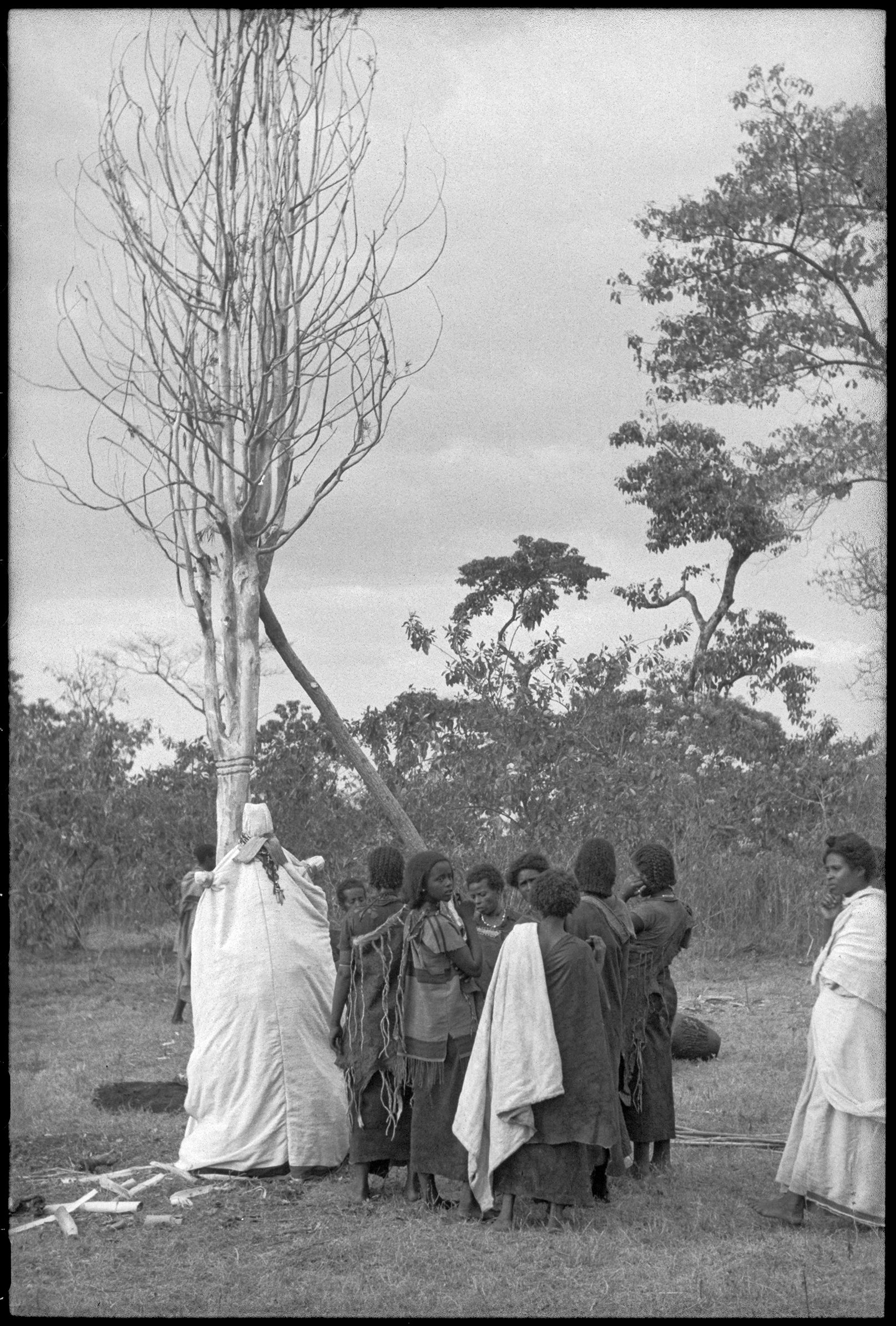
The Frobenius Institute houses a film collection comprising published and unpublished material produced during global research expeditions in the early twentieth century. Since these were long-term field studies in regions with scarce film documentation, the visual records not only represent valuable historical and biographical material for the regions of origin, but are also of great ethnological interest. Despite the historical value of the footage, scientific film production within ethnological research mostly followed the rationalities and epistemic values of its time as well as a similar narrative pattern: The filmed events are ahistorical, the filmed subjects have neither names nor personal biographies, and they do not speak to the camera. Instead, they merely perform work techniques, rituals, or dances, in accordance with the formal and technical guidelines of the former Institute for Scientific Film (IWF).
In the process of returning these films, the societies of origin should be supported in re-engaging with the material in a way that aligns with their current interests and needs. Audiovisual material should not only be returned but also inspire the creation of new forms of representation. To this end, it is necessary to reconfigure the mechanisms of film production, which are interwoven with mechanisms of the reproduction of epistemic and non-epistemic values.
The goal of the project is to explore new and collaborative restitution methods in which artists and filmmakers from the communities of origin can critically engage with the historical footage and develop new forms of representation and discourse.